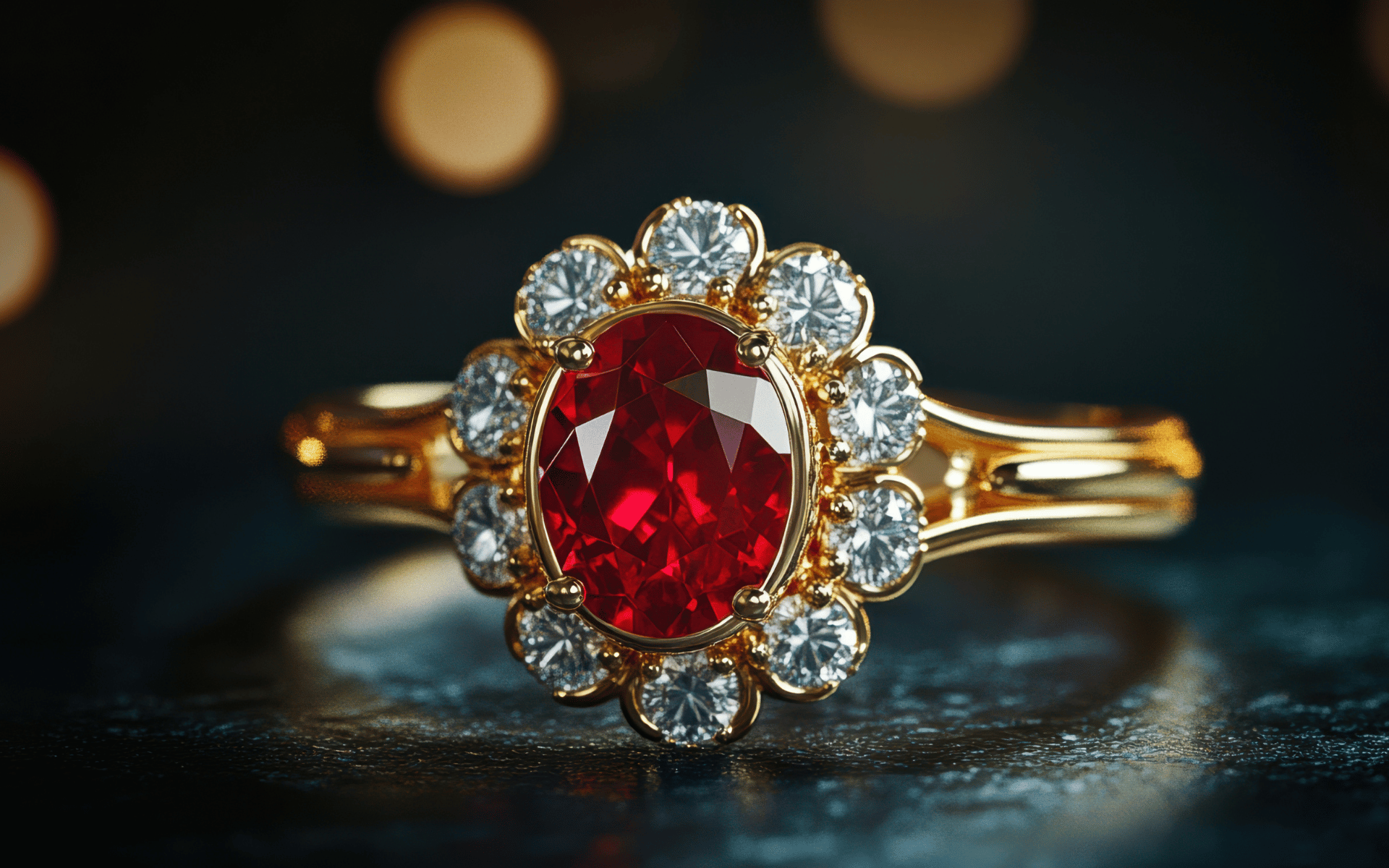
The Original “King of Gems”
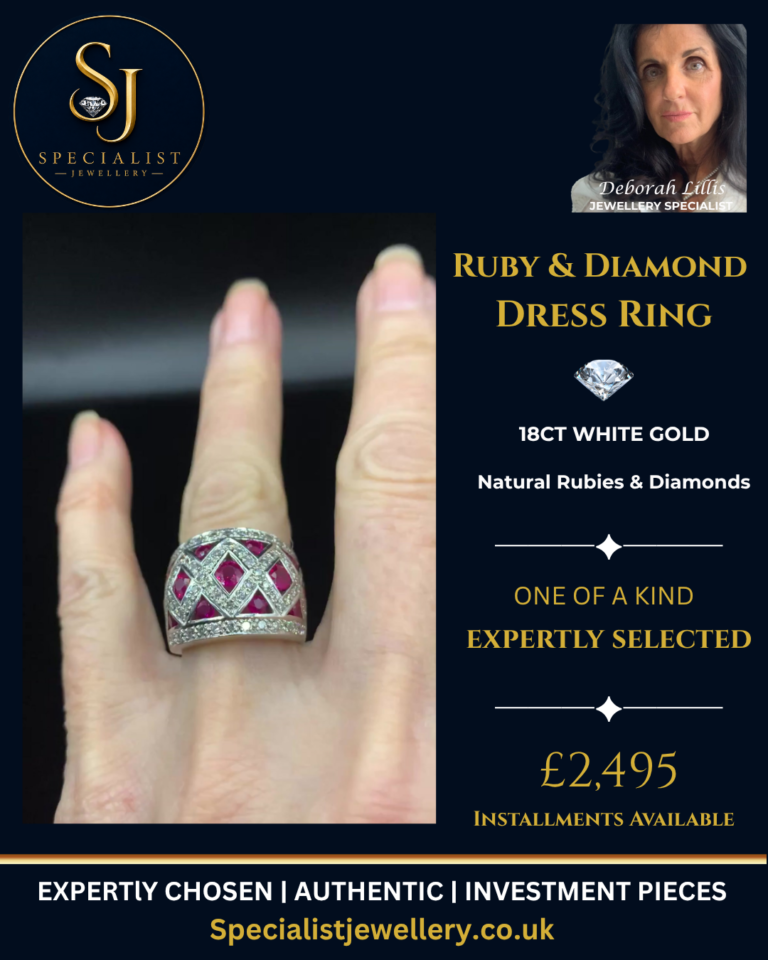
For centuries, rubies have been regarded as the most valuable of all gemstones. Long before diamonds became widely marketed, rubies were prized by royalty, collectors, and dynasties as symbols of power, protection, and enduring wealth.
Today, that status has not diminished. In fact, for serious gemstone investors, fine rubies are considered one of the most resilient and scarce tangible assets available.
Extreme Natural Rarity
High-quality rubies are far rarer than diamonds.
Geologically, ruby formation requires a precise absence of silica. If silica is present, the stone becomes sapphire instead. This narrow geological window makes fine rubies exceptionally scarce.
To put this into perspective:
The majority of rubies mined today are commercial grade
Truly fine rubies represent a tiny fraction of global output
Untreated stones with strong colour and clarity are increasingly difficult to source
The Importance of Colour: “Pigeon Blood”
Ruby value is driven primarily by colour.
The most coveted shade is known as pigeon blood — a vivid, saturated red with subtle blue undertones. Stones exhibiting this colour command extraordinary premiums and dominate auction results.
As supply tightens, colour quality has become even more critical in determining long-term value retention.
Treatment and Transparency Matter
Most rubies on the market today are treated, often heavily.
From an investment perspective:
Untreated or lightly treated rubies are the most desirable
Heat treatment may be acceptable if fully disclosed
Fracture-filled or composite stones are unsuitable for long-term collecting
Certification and transparency are essential. Investors increasingly prioritise provenance and clarity of reporting over size alone.
Finite Supply, Growing Demand
Traditional ruby sources such as Myanmar (Burma) are producing fewer stones each year, while regulatory, ethical, and geopolitical factors continue to restrict supply.
At the same time:
Demand from Asia, the Middle East, and Europe remains strong
High-net-worth individuals are diversifying into portable hard assets
Auction records for fine rubies continue to be broken
This imbalance between supply and demand underpins ruby’s long-term investment appeal.
Rubies as Portable Wealth
Rubies offer a unique advantage as an investment asset:
Highly concentrated value
Easily stored and transported
Independent of financial markets
Proven demand across cultures and generations
Unlike many alternative assets, rubies do not rely on trends or technology cycles. Their value is rooted in geology, history, and human desire.
Final Thoughts
Fine rubies are not speculative purchases. They are legacy assets — acquired carefully, held patiently, and passed forward. In a world of increasing uncertainty, the ruby remains one of the clearest examples of enduring, tangible value: rare, beautiful, and truly finite.