Sapphires: A Collector’s Guide to Colour, Rarity, and Long-Term Value
When most people hear the word sapphire, they immediately think of deep blue stones. In reality, sapphires exist in an extraordinary spectrum of colours, each with its own rarity profile, market demand, and investment potential.
As collectors and investors increasingly look beyond diamonds, sapphires are firmly positioned as one of the most resilient and versatile gemstone assets.
What Is a Sapphire?
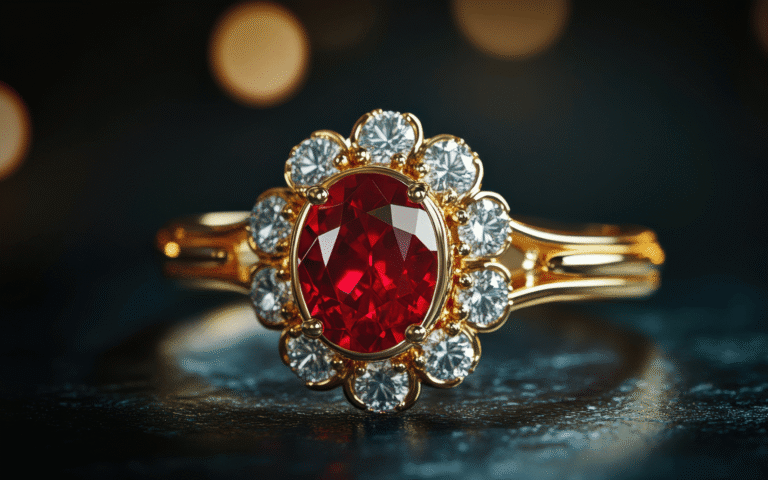
Sapphires belong to the corundum family, the same mineral as rubies. The only difference is colour:
Red corundum = ruby
All other colours = sapphire
This gives sapphires exceptional hardness (9 on the Mohs scale), making them durable, wearable, and suitable for long-term ownership.
The Spectrum of Sapphire Colours
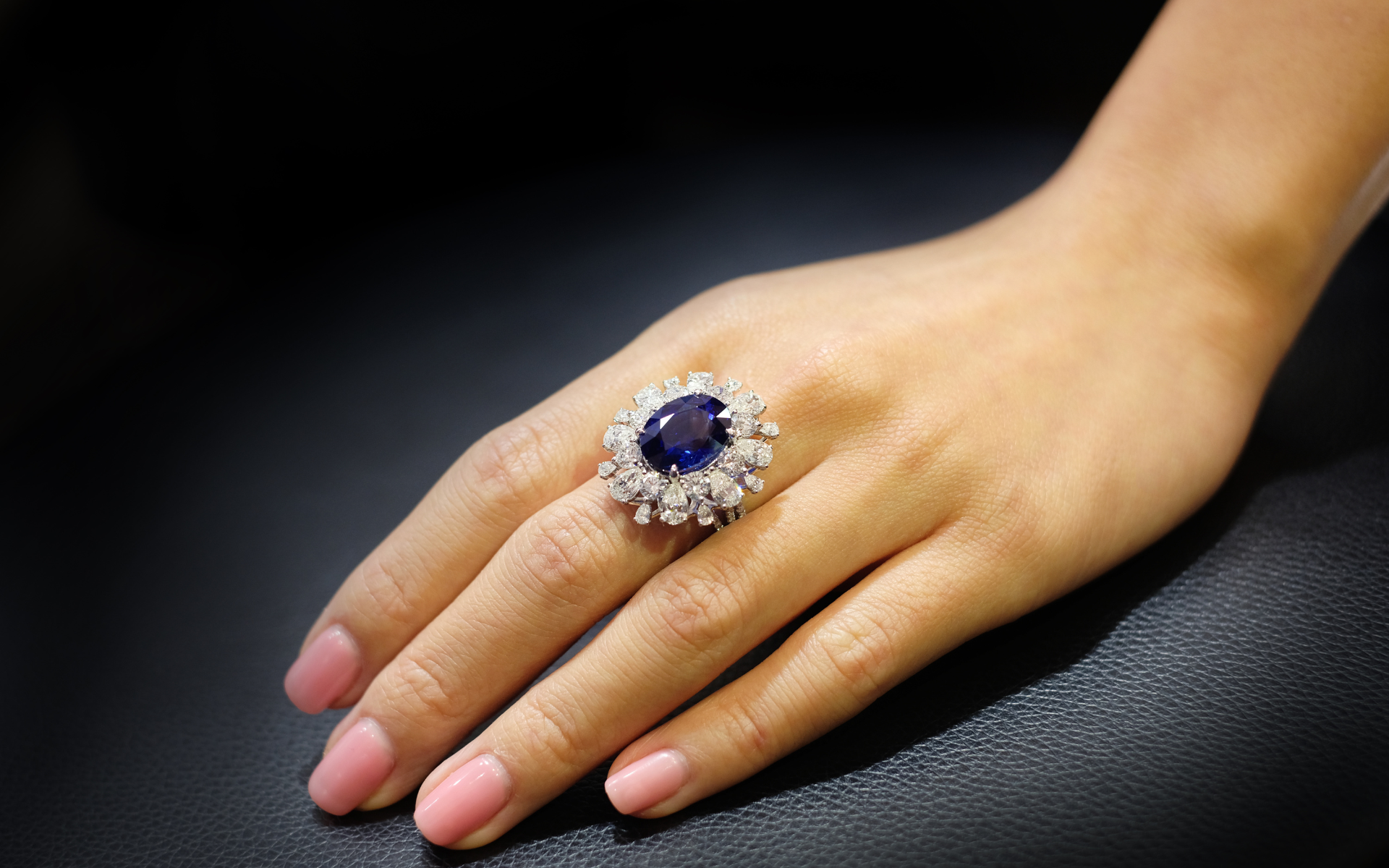
Blue Sapphire (The Classic)
- Blue sapphires remain the most recognised and historically significant.
- Fine stones show rich saturation with excellent transparency
- Kashmir, Burma (Myanmar), and Sri Lanka are the most respected origins
Untreated, well-cut blue sapphires continue to perform strongly at auction
Investment demand is focused on colour quality and origin, not size alone.
Pink Sapphire
Pink sapphires have grown rapidly in popularity as collectors seek alternatives to pink diamonds.
- Softer, vivid pink tones command the highest prices
- Larger, untreated stones are increasingly scarce
- Often favoured for bespoke jewellery and private collections
Their relative affordability compared to fancy coloured diamonds makes them attractive entry-level investments.
Yellow Sapphire
Yellow sapphires range from pale lemon to rich golden hues.
- Bright, saturated yellows are the most valuable
- Less common in high quality than many expect
- Often overlooked, creating opportunity for informed buyers
These stones appeal to collectors seeking colour diversity rather than mainstream demand.
Green Sapphire
Green sapphires are rarer than blue but less widely recognised.
- Colours range from olive to deep forest green
- Strong demand from collectors seeking uniqueness
- Typically valued for rarity rather than fashion trends
Green sapphires often appeal to long-term holders rather than short-term resale.
Padparadscha Sapphire
One of the most coveted sapphires in the world.
- A delicate blend of pink and orange
- Strict colour criteria define true Padparadscha stones
- Exceptionally rare, especially untreated examples
Fine padparadscha sapphires command premium prices and are considered museum-grade gemstones.
White Sapphire
White sapphires offer brilliance without colour.
- Often used as diamond alternatives
- Lower investment potential than coloured sapphires
Valued more for jewellery use than long-term appreciation
Treatments and Transparency
Most sapphires on the market are heat treated to improve colour and clarity. This is accepted practice when fully disclosed.
However:
- Untreated sapphires command significant premiums
- Diffusion-treated or heavily enhanced stones are unsuitable for investment
- Certification is essential for serious collectors
- Transparency and documentation matter more than size alone.
Why Sapphires Appeal to Investors
Several factors underpin sapphire collectability:
- Finite global supply
- Increasing demand for coloured gemstones
- Strong historical performance at auction
- Durability suitable for generational ownership
Unlike trend-driven assets, fine sapphires have maintained value across decades and economic cycles.
Final Thoughts
Sapphires offer something rare in the gemstone world: diversity without compromise. From classic blue to exotic padparadscha, they provide collectors with colour choice, durability, and long-term relevance.
For those who understand quality, origin, and transparency, sapphires remain one of the most compelling investment-grade gemstones available today.