The One-Generation Gemstone Investors Are Paying Attention To
In the world of collectable gemstones, value is driven by one immutable principle: supply versus demand. Few stones illustrate this more clearly today than tanzanite.
Once considered a niche collector’s stone, tanzanite has increasingly moved into the spotlight as a serious investment-grade gemstone, sought after by collectors who understand scarcity, portability, and long-term value preservation.
A Single Source, Finite Supply
Tanzanite is unique in the gemstone world because it is found in only one place on Earth — a small mining area in northern Tanzania, near Mount Kilimanjaro. There are no alternative deposits, no secondary sources, and no possibility of new discoveries elsewhere.
Unlike diamonds, rubies, or sapphires — which are mined across multiple continents — tanzanite’s supply is geologically finite. When the mines are exhausted, the stone will exist only in private hands.
This makes tanzanite what many experts describe as a “one-generation gemstone.”
Mining Is Declining — Demand Is Not
Tanzanite mining has become progressively more difficult and regulated. Remaining deposits are deeper, more expensive to extract, and increasingly controlled. At the same time, global demand — particularly for high-quality, larger stones — continues to rise.
What this means for collectors is simple:
Smaller, commercial stones remain available
Fine, untreated, vivid-colour stones are becoming scarce
Larger carat weights are increasingly difficult to replace
This imbalance is exactly what drives long-term collectability.
Colour That Cannot Be Recreated
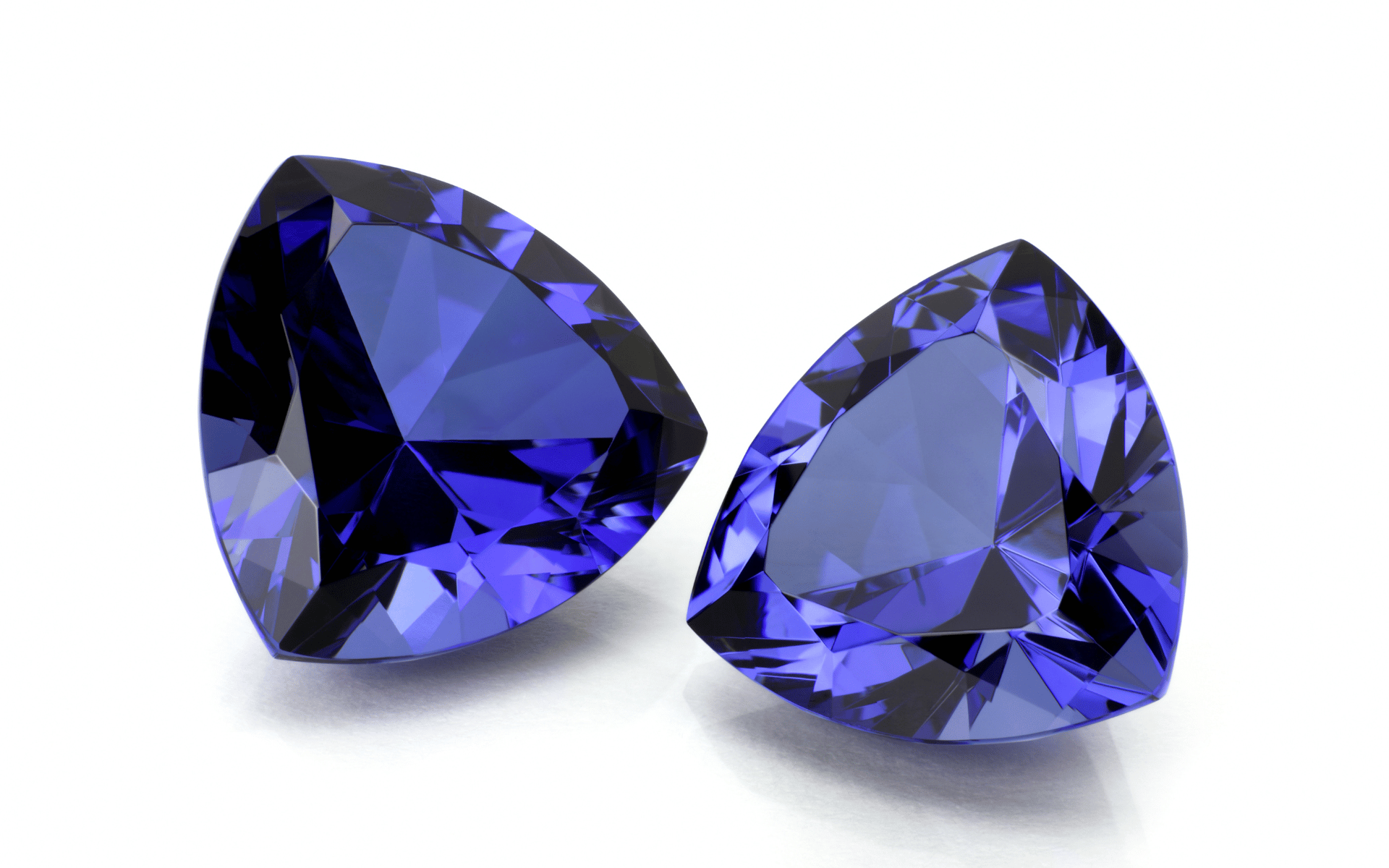
What sets tanzanite apart visually is its extraordinary colour — a natural blend of blue, violet, and flashes of burgundy depending on the light. No other gemstone offers the same optical character.
While treatments exist to enhance colour in lower-grade stones, top-tier tanzanite is judged on depth, saturation, and purity of tone, with the finest examples showing rich, velvety blues with violet overtones.
Collectors increasingly understand that quality matters more than quantity.
Why Investors Are Looking Beyond Diamonds
Diamonds are abundant, heavily marketed, and increasingly affected by synthetic alternatives. Tanzanite, by contrast, cannot be laboratory-grown to replicate its natural structure and rarity in a way that satisfies serious collectors.
As a result, tanzanite appeals to investors seeking:
A portable, tangible asset
Low correlation to traditional markets
Scarcity driven by geology, not marketing
Assets that can be worn, stored, or passed down
This positions tanzanite firmly within the same category as other elite coloured gemstones — but with the added advantage of absolute geographic limitation.
The Collectors’ Window
We are currently in a transitional period:
Tanzanite is still accessible compared to historic gemstones
Yet awareness of its finite supply is growing rapidly
Historically, gemstones follow a familiar pattern: availability → recognition → collectability → price acceleration. Many collectors believe tanzanite is now moving from the second stage into the third.
Final Thoughts
Tanzanite’s appeal as a collectable investment is not speculative hype — it is rooted in geology, scarcity, and growing global demand. For those who understand gemstones as long-term stores of value, tanzanite represents an increasingly rare opportunity to acquire something truly finite.
In a world of replicable assets, tanzanite cannot be replaced.